
When Your Body Won’t Cooperate
£6.99
£4.99
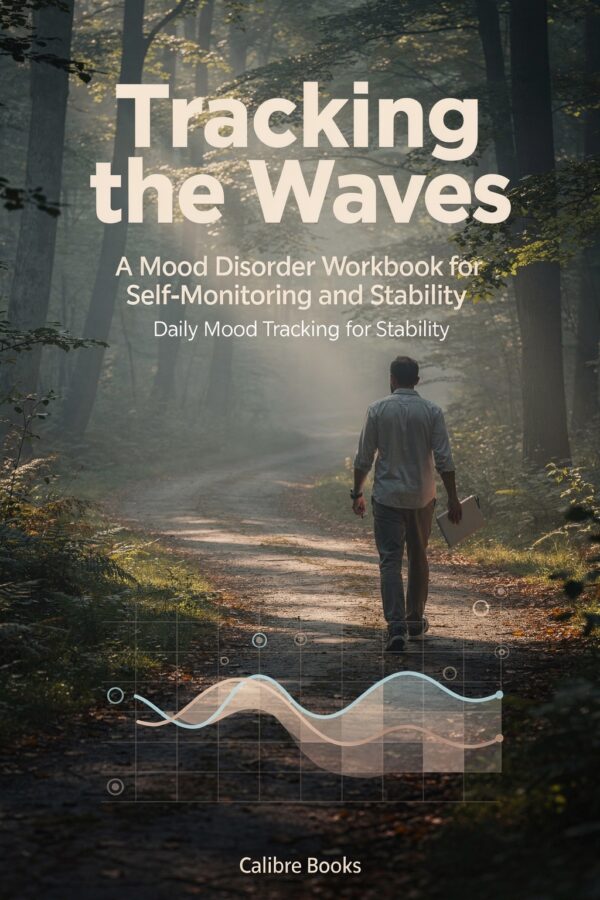
Are you struggling to understand and manage your mood disorder? Do you feel lost in a sea of emotions, unsure of how to track your progress or recognize warning signs? Tracking the Waves is your essential companion, designed to help you navigate the complexities of mood disorders with clarity and confidence.
This workbook is your practical guide to self-monitoring, offering structured, evidence-based tools that complement your existing medical care.
Inside Tracking the Waves, you'll discover:
Take charge of your mental health journey today. With Tracking the Waves, you’ll gain the tools to build a more stable and fulfilling life. Start your path to understanding and stability—order your copy now!
What's inside
From the opening chapter
Mood disorders, including conditions such as depression and bipolar disorder, profoundly influence emotional states, affecting how individuals perceive and engage with the world. These disorders can cause emotional highs and lows, impacting daily activities, relationships, and overall quality of life. Recognising mood disorders as genuine medical conditions, rather than mere phases or signs of personal weakness, is crucial. The World Health Organization estimates that depression affects over 280 million people globally, underscoring the urgent need for effective management strategies. A key aspect of managing mood disorders is self-monitoring, which involves developing an awareness of one's emotional patterns, thoughts, and behaviours. While professional guidance is essential, self-monitoring empowers individuals to actively participate in their treatment. By tracking mood changes, triggers, and coping mechanisms, individuals can gain insights into their mental health, facilitating more informed discussions with healthcare providers and allowing for a personalised approach to treatment. Self-monitoring complements, rather than replaces, professional care.