
When Your Body Won’t Cooperate
£6.99
£4.99
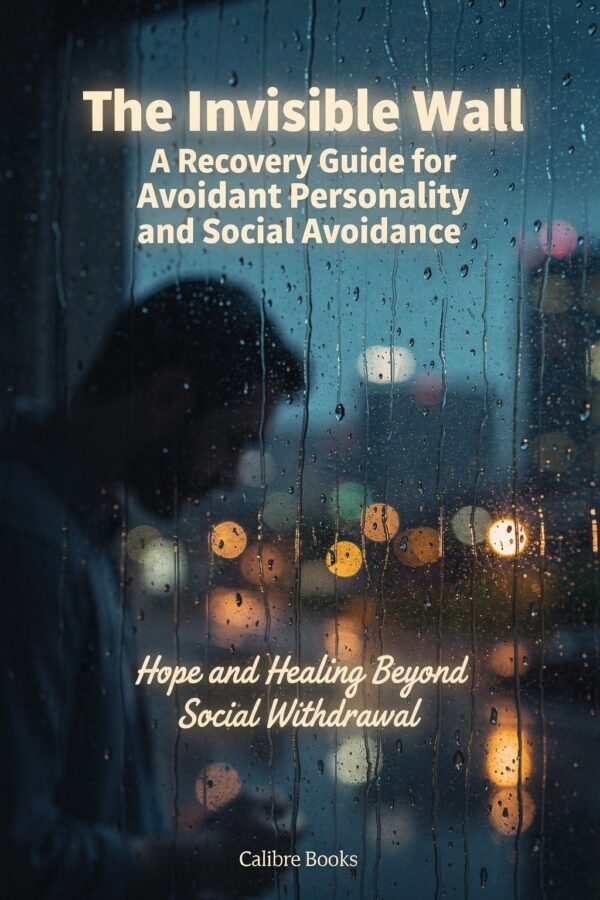
Are you tired of watching life pass you by, trapped behind an invisible wall of fear and avoidance? Do you yearn for meaningful connections but find yourself retreating into isolation due to a deep fear of rejection? The Invisible Wall is your comprehensive guide to breaking free from the constraints of avoidant personality and reclaiming your life.
Discover the roots of your avoidance: Learn how childhood experiences shape lifelong patterns of withdrawal and fear. Understand the crucial differences between avoidant personality and social anxiety, and why it's vital to address avoidance at its core.
Transform your life, step by step: This book offers a gentle yet powerful pathway to recovery, designed for those who have felt their world shrink under the weight of avoidance.
Don't let avoidance define your life any longer. Embrace the possibility of change and growth. Start your journey to freedom and connection today! Click "Buy Now" to step beyond the invisible wall and into a life of fulfillment and confidence.
What's inside
From the opening chapter
Avoidance is a subtle yet pervasive influence in our lives, quietly shaping our decisions and interactions. Recognising avoidant personality traits is crucial for addressing these tendencies, which can act as invisible barriers, preventing us from forming fulfilling relationships and seizing opportunities. These traits often manifest as social inhibition, feelings of inadequacy, and hypersensitivity to negative evaluation. Individuals with these traits may yearn for connection but are simultaneously immobilised by the fear of rejection or criticism. Distinguishing between avoidant personality traits and social anxiety is important. While both involve a fear of negative judgement, they differ significantly. Social anxiety disorder is characterised by fear in specific situations, like public speaking or meeting new people, with anxiety peaking temporarily. In contrast, avoidant personality traits can pervade an individual’s entire life, making avoidance a default interaction style. This pervasive nature can severely impact life quality, leading to chronic loneliness, missed opportunities, and stunted personal growth. By addressing these traits, individuals can transform their interactions and effect meaningful change in their lives.