When Your Body Won’t Cooperate
£6.99
£4.99
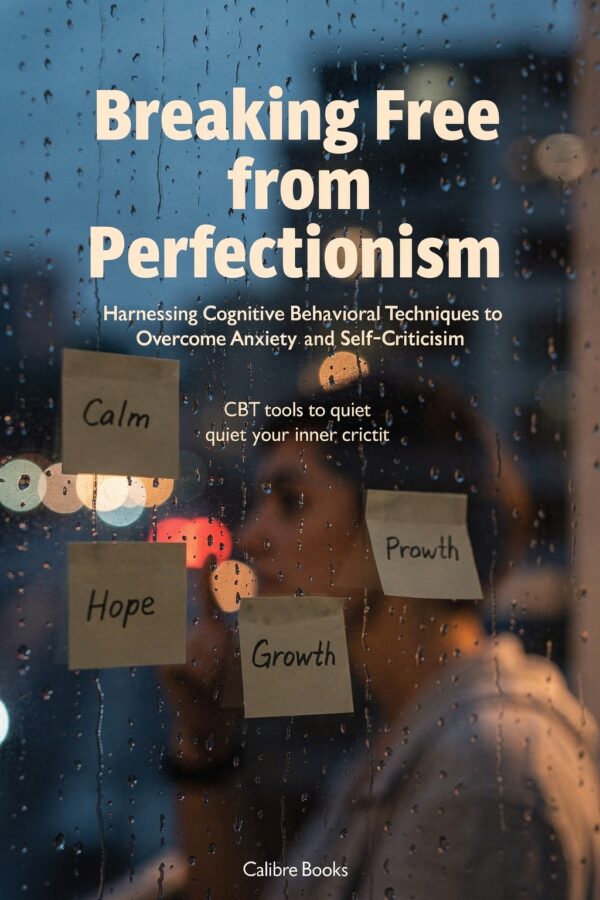
Are you a high-achieving professional or student trapped in the relentless cycle of perfectionism? Do you find yourself overwhelmed by anxiety, crippled by procrastination, and paralyzed by the fear of failure? You’re not alone—and there is a way out.
Breaking Free from Perfectionism offers a lifeline for those who are ready to conquer the self-imposed barriers of perfectionism using proven Cognitive Behavioral Techniques. This book is your practical guide to identifying and reframing the thought patterns that fuel your anxiety and self-criticism.
Inside, you'll discover:
It’s time to break the chains of perfectionism and unlock your true potential. Start your journey today—embrace imperfection and live a more fulfilling life. Scroll up and click "Buy Now" to begin transforming your mindset!
What's inside
From the opening chapter
In a society where achievements are often revered above all else, the pursuit of perfection might initially appear commendable. Yet, for many high-achievers, this pursuit transforms into perfectionism—a trap that stifles creativity, induces anxiety, and fosters relentless self-criticism. Understanding this phenomenon is crucial for nurturing a healthier relationship with oneself and one's ambitions. Perfectionism extends beyond the drive to excel; it is an unyielding demand for flawlessness. It involves setting excessively high standards, coupled with overly critical self-evaluations and a deep concern about others’ perceptions. While it can spur achievement, it often exacts a significant toll on mental health. Research by Dr. Gordon Flett and Dr. Paul Hewitt, leading psychologists in this field, identifies perfectionism as multidimensional. It includes self-oriented perfectionism, where individuals impose high standards on themselves; socially prescribed perfectionism, where they believe others expect perfection from them; and other-oriented perfectionism, where they impose unrealistic standards on others. Each dimension presents unique challenges and emotional burdens. Perfectionism is closely linked to anxiety disorders.