Masking
£6.99
£4.99
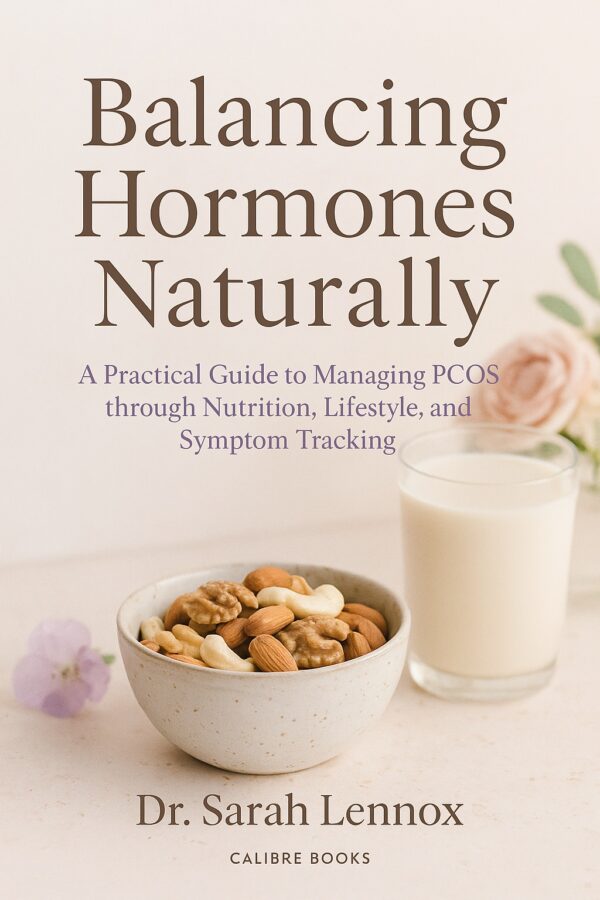
A comprehensive guide on Understanding and managing polycystic ovary syndrome through targeted nutrition, lifestyle modifications, and symptom tracking to restore hormonal balance and improve quality of life.
What's inside
From the opening chapter
Understanding Polycystic Ovary Syndrome (PCOS) is akin to solving a complex puzzle. Each piece represents a symptom, a cause, or a treatment option, and fitting them together can be both challenging and rewarding. As we lay the groundwork for this book, we'll delve into the intricacies of this modern health challenge, examine its prevalence, and appreciate the benefits of managing it through natural, holistic means. Polycystic Ovary Syndrome, commonly abbreviated as PCOS, is an endocrine disorder affecting approximately 10% of women of childbearing age globally. To simplify, if you were to gather ten women in a room, statistically, at least one would be grappling with PCOS. This condition is characterised by three primary features: irregular or absent menstrual cycles, high levels of androgens (male hormones), and polycystic ovaries, where the ovaries become enlarged and contain numerous small, fluid-filled sacs known as follicles. Despite its name, not all women with PCOS have cysts on their ovaries, and not all women with ovarian cysts have PCOS.