Too Many Tabs
£6.99
£4.99
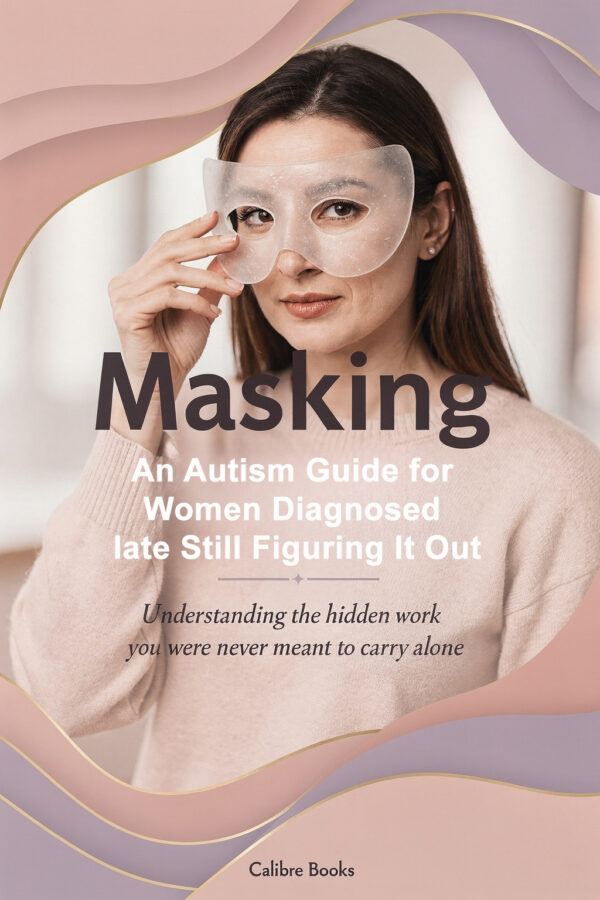
Are you a woman who has been diagnosed with autism later in life, or are you still on a journey of self-discovery, wondering if autism explains your experiences? The world often overlooks autism in women, leaving many to navigate life feeling misunderstood and exhausted from masking their true selves.
Masking: An Autism Guide for Women Diagnosed Late or Still Figuring It Out is your essential companion to understanding and embracing your unique identity.
In this enlightening guide, you'll uncover:
Take the first step towards understanding your true self and embracing your journey. Masking is more than a book; it's your guide to living authentically and thriving with autism.
Ready to unmask and embrace your true identity? Click “Buy Now” to start your journey today!
What's inside
From the opening chapter
Autism in women is a subject often shrouded in complexity and misunderstanding, akin to an intricate tapestry that reveals its true design only upon closer inspection. For many women, the path to an autism diagnosis or self-realisation unfolds much later in life, often after years of feeling different in ways that were difficult to articulate. This is not merely a quirk of fate but a pattern arising from how autism has historically been perceived and diagnosed. Traditionally, autism research and diagnosis have centred on males. The diagnostic criteria were based on studies of boys, frequently overlooking how autism manifests in females. Consequently, many women have been diagnosed late or not at all. They have spent years, even decades, grappling with autism's challenges without understanding the root of their experiences. Often, they develop sophisticated coping mechanisms that mask their autistic traits, making it even more challenging for healthcare professionals to identify the condition.