
When Memories Fade
£8.39
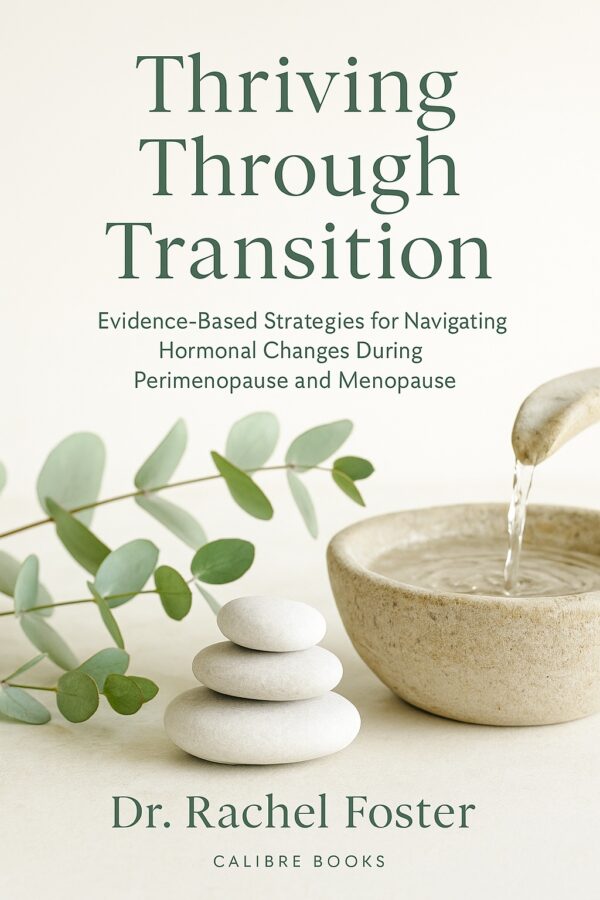
A comprehensive guide on How hormonal changes during perimenopause and menopause affect metabolism, weight distribution, energy levels, and sleep patterns, with evidence-based strategies for maintaining optimal health during this transition.
What's inside
From the opening chapter
Navigating perimenopause and menopause can feel like stepping into uncharted territory. Each woman's experience is unique, presenting its own challenges and revelations. Understanding this transition is crucial for embracing it with confidence and resilience. This chapter delves into the core hormonal changes and their significant impacts on daily life, setting the stage for the practical strategies and support that will follow in this book. Perimenopause and menopause are natural biological processes marked by the gradual decline in oestrogen and progesterone. These hormones, primarily produced by the ovaries, regulate the menstrual cycle, maintain bone density, and influence mood and cognitive function. As women reach their late 40s or early 50s, these hormone levels begin to fluctuate, leading to various bodily changes. Oestrogen is the primary female sex hormone, essential for the development and regulation of the reproductive system and secondary sexual characteristics. It also affects the brain, heart, skin, and other tissues. Progesterone works alongside oestrogen, preparing the body for potential pregnancy after ovulation and supporting early pregnancy stages.