
AI for Your Business
£8.39
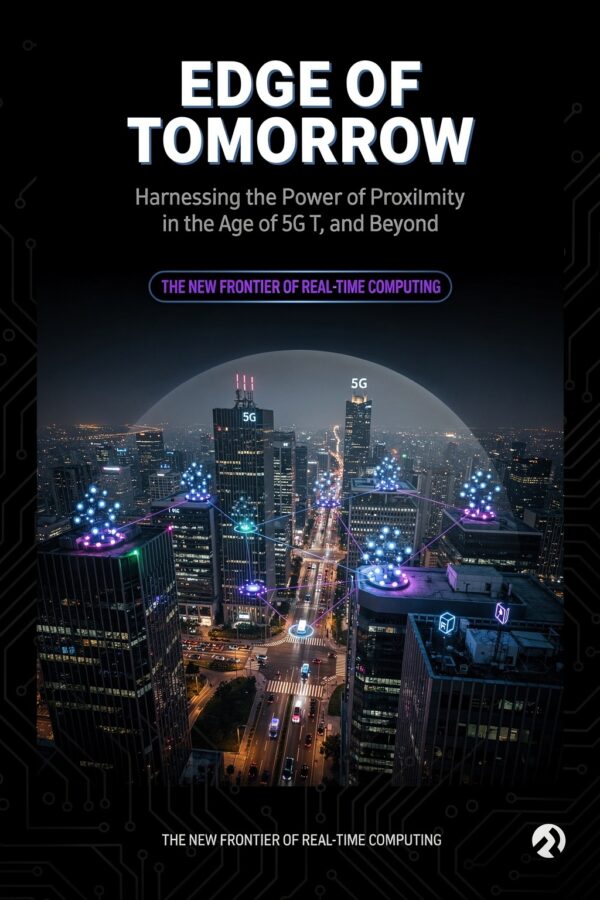
A comprehensive guide on How edge computing is revolutionizing internet speed and data processing by moving computation closer to users, covering 5G networks, IoT devices, autonomous vehicles, augmented reality applications, and what this means for everyday technology experiences.
What's inside
From the opening chapter
In our rapidly evolving digital landscape, technology is in perpetual motion, with each new development promising a greater impact than the last. One such advancement, quietly gaining momentum, is edge computing. As you delve into "Edge of Tomorrow: How Edge Computing is Transforming Our Digital World," you'll discover how bringing computation closer to users is reshaping our digital experiences. But first, let's clarify what edge computing truly entails and why it is considered a pivotal shift in technology. At its core, edge computing is about decentralisation. Traditionally, data is sent from a user's device to a centralised cloud server for processing before returning to the device. While effective, this method is akin to mailing a letter across the country to be read and then returned with a response. It works, but there are more efficient ways to handle the task. Edge computing, however, processes data closer to where it is generated—at the "edge" of the network.