The Queen’s Secret Apothecary
£6.99
£4.99
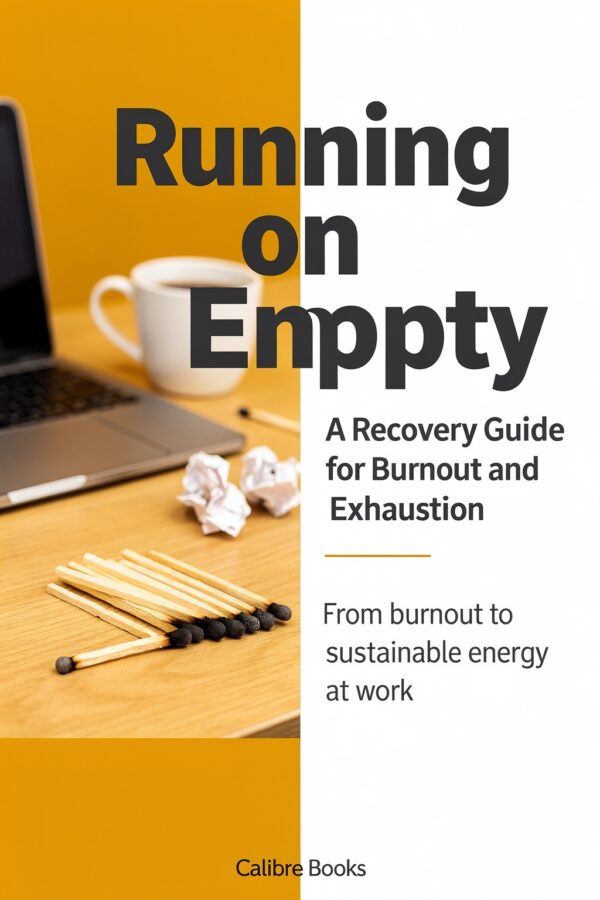
Are you feeling drained, cynical, or unable to perform at your best? You’re not alone. In today’s fast-paced world, burnout is more common than ever, but recovery is possible. Running on Empty: A Recovery Guide for Burnout and Exhaustion is your roadmap to reclaiming your energy, focus, and passion.
This practical guide takes you through the maze of burnout, helping you understand what it is—and what it isn’t. Learn why high-performers often crash hardest and discover the immediate steps you can take in your first week of recovery.
Written with honesty about the time and effort needed for recovery, Running on Empty equips you with strategies for lifelong wellness.
Don't wait another day to start your journey back to health. Click "Buy Now" and take the first step towards a more balanced and energized life!
What's inside
From the opening chapter
Chapter 0: "Understanding the Burnout Epidemic" In recent years, "burnout" has become a ubiquitous term in discussions about workplace well-being. But what exactly is burnout, and how does it differ from the everyday stress many of us encounter? Understanding these distinctions is crucial, as burnout affects a growing number of working adults, threatening both personal and professional lives. "Running on Empty" offers a practical roadmap to recovery and sustainable change. Burnout is not merely an extension of stress. The World Health Organization defines it as a syndrome resulting from chronic workplace stress that has not been successfully managed. It is characterised by three dimensions: feelings of energy depletion or exhaustion, increased mental distance from one’s job or feelings of negativism or cynicism related to one's job, and reduced professional efficacy. Unlike stress, which can sometimes serve as a short-term motivator, burnout is a state of emotional, physical, and mental exhaustion caused by prolonged and excessive stress. It leaves you feeling overwhelmed, emotionally drained, and unable to meet constant demands.